#Ad
Fusion cuisine has acquired an unfortunate reputation because we’ve spent the last thirty years confusing curiosity with vandalism. Somewhere along the line, chefs began treating cuisines like children let loose in a dressing-up box: kimchi with everything; yuzu where lemon had done perfectly well for centuries. The result was less cultural exchange than culinary speed dating. But proper fusion isn’t a gimmick. It’s what happens when traditions travel, settle down and quietly borrow from one another. Every great food culture has done it. Tomatoes wandered into Italy from the Americas, in the 16th century chillies transformed the cooking of India and Thailand, and the British managed to convince an entire nation that chicken tikka masala deserved its own national identity. Food has never respected borders; only menus have.
The best fusion cooking feels oddly inevitable. You taste it and wonder why nobody thought of it sooner. It isn’t about surprising the diner so much as reassuring them that unfamiliarity and comfort aren’t mutually exclusive. They aren’t acts of rebellion but of fluency. The chef isn’t showing off their passport stamps; they’re demonstrating that they speak more than one culinary language. Like any good translator, the highest compliment is that you stop noticing the translation altogether and simply enjoy the conversation.
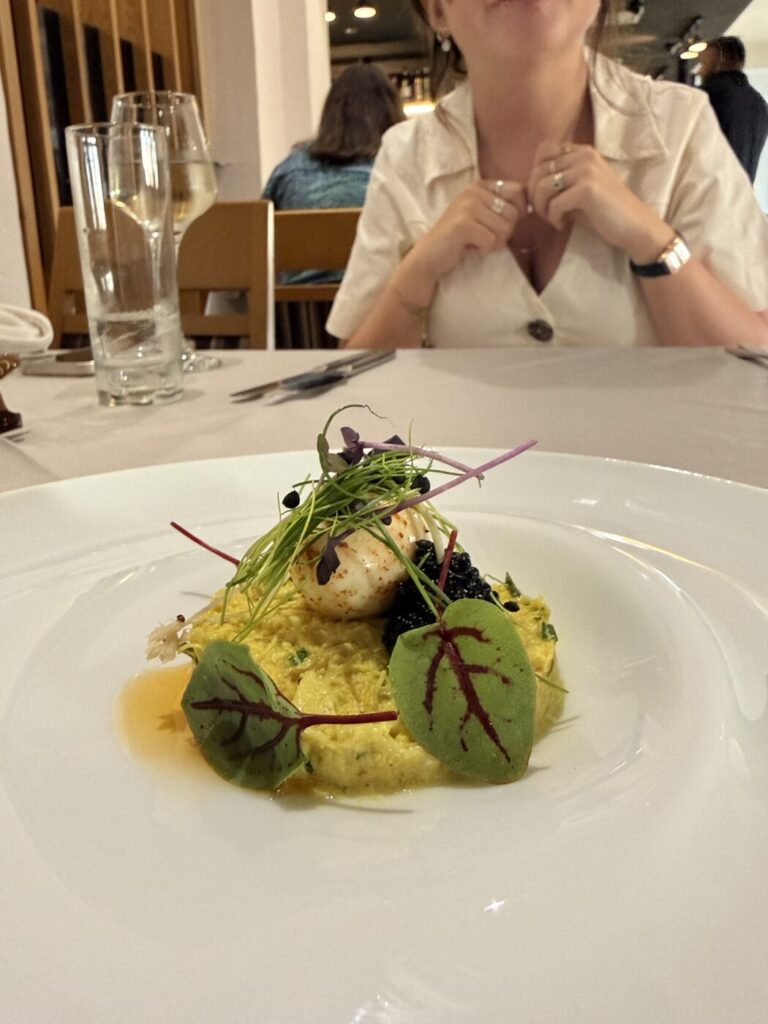
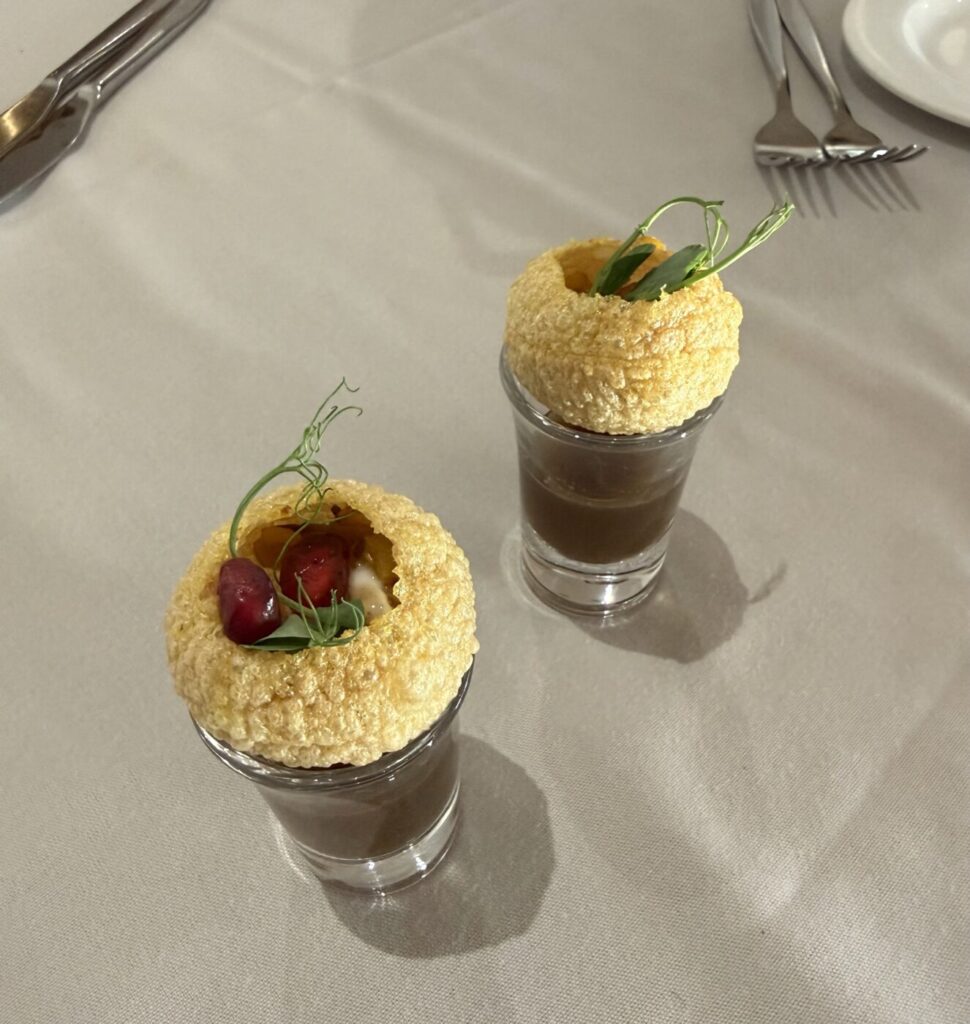
Sudha isn’t playing with a global palate. He’s embellishing Indian cuisine with bits from around the world, but then I guess when you are working in a restaurant called Spice Fusion you should be able to walk that particular walk. We’re here – on an invite – for the once a month Chefs Table event, that would be £50 for five courses and paired wines if I were paying. We get pani poori to start, which isn’t at all fusion, but my personal favourite way to start a meal, then a little mound of white crab meat, delicate and well picked, with fennel, a soft boiled qualis egg, a little caviar, and chilli oil. It’s a very good dish; clean and bright, I tell them, and with total seriousness, that this would make a great baguette filling.
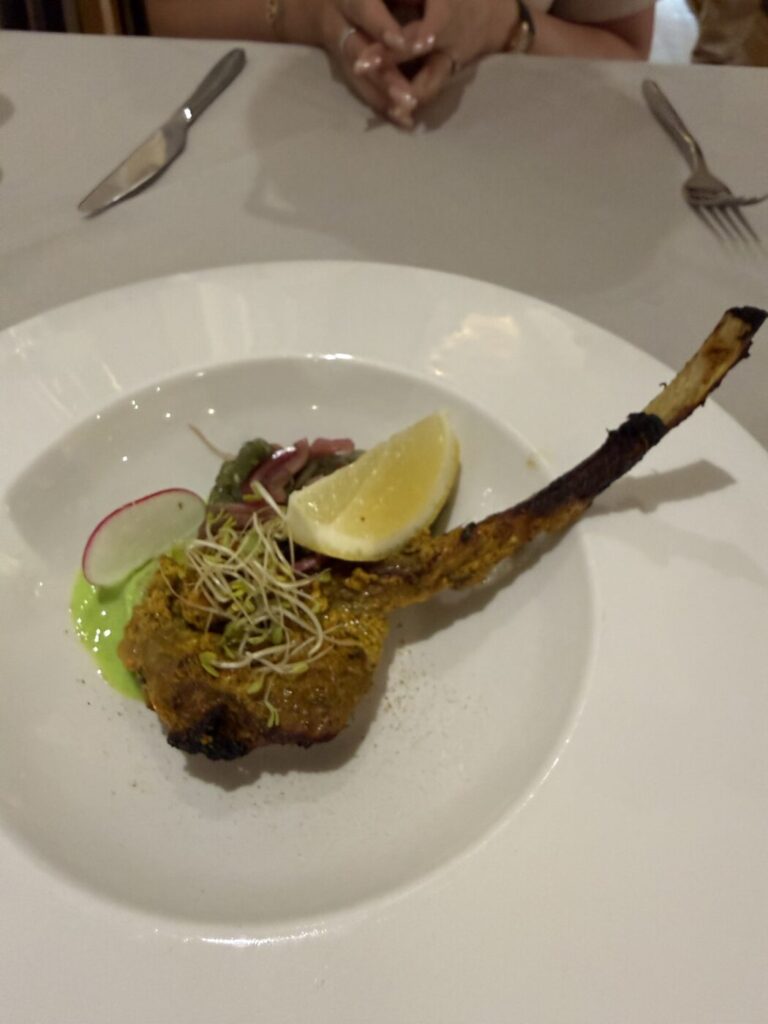
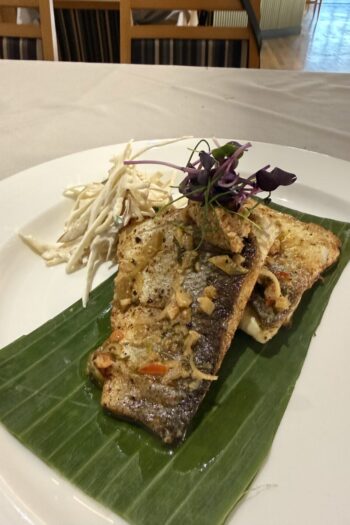
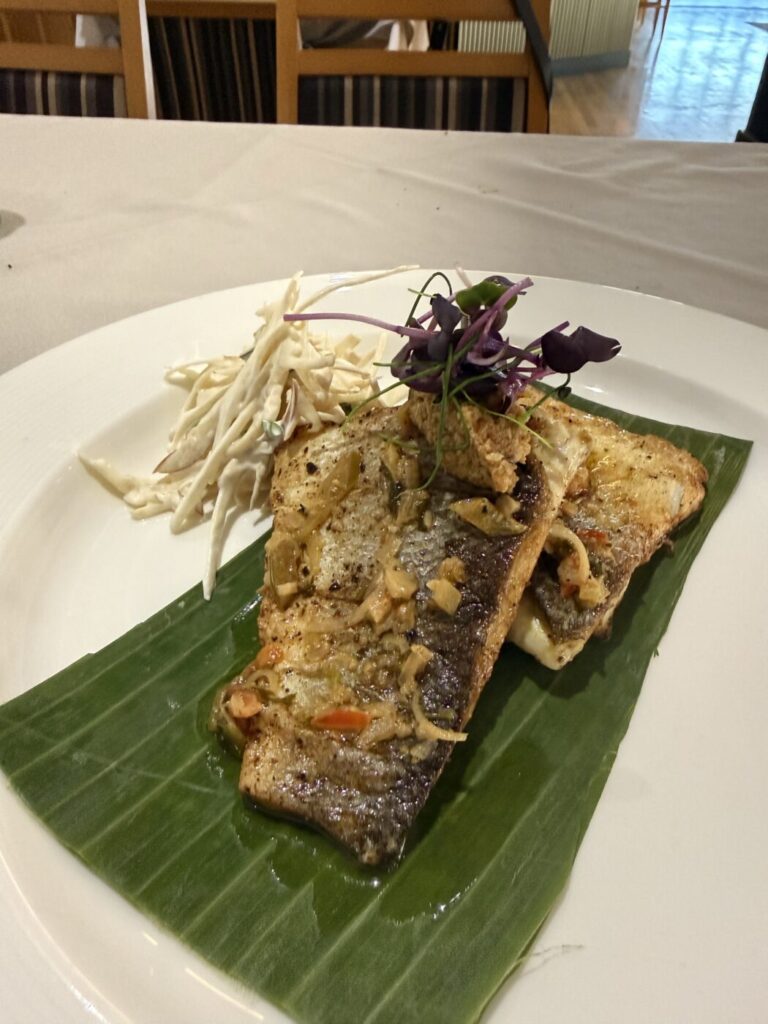
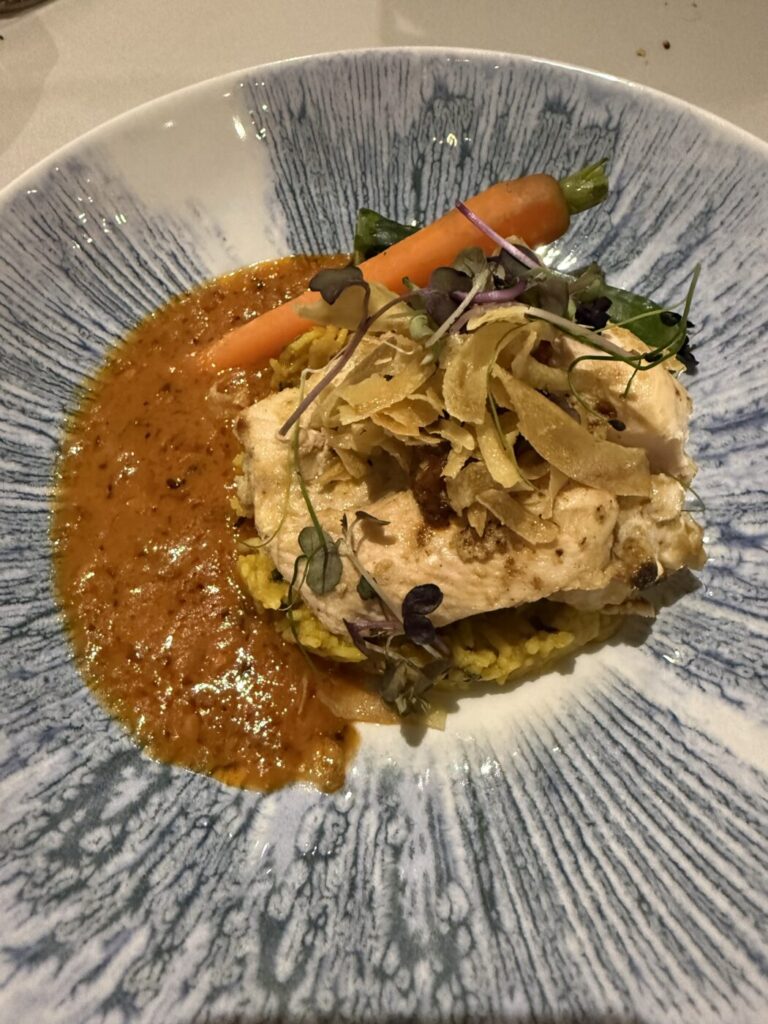
And then the fusion properly starts. A french-trimmed cutlet from the rack is a lamb chop on holiday in St Tropez, tanned and charred in equal measure. The cutlet is superb; deft and soft in both texture and tone. This by itself is worthy to grace just about any Indian restaurant. A wasabi yoghurt works well because the heat builds gradually, though a wakame slaw feels overworked and unnecessary in comparison. It’s followed by an escabeche of sea bass kicked into place with a chilli-spiked remoulade, and then a makhani style chicken breast cooked in the tandoor, with a mushroom kedgeree, turned vegetables and makhani sauce. The genius of the chicken course is feeling like you’re eating a classic french dish whilst experiencing all Indian flavours.
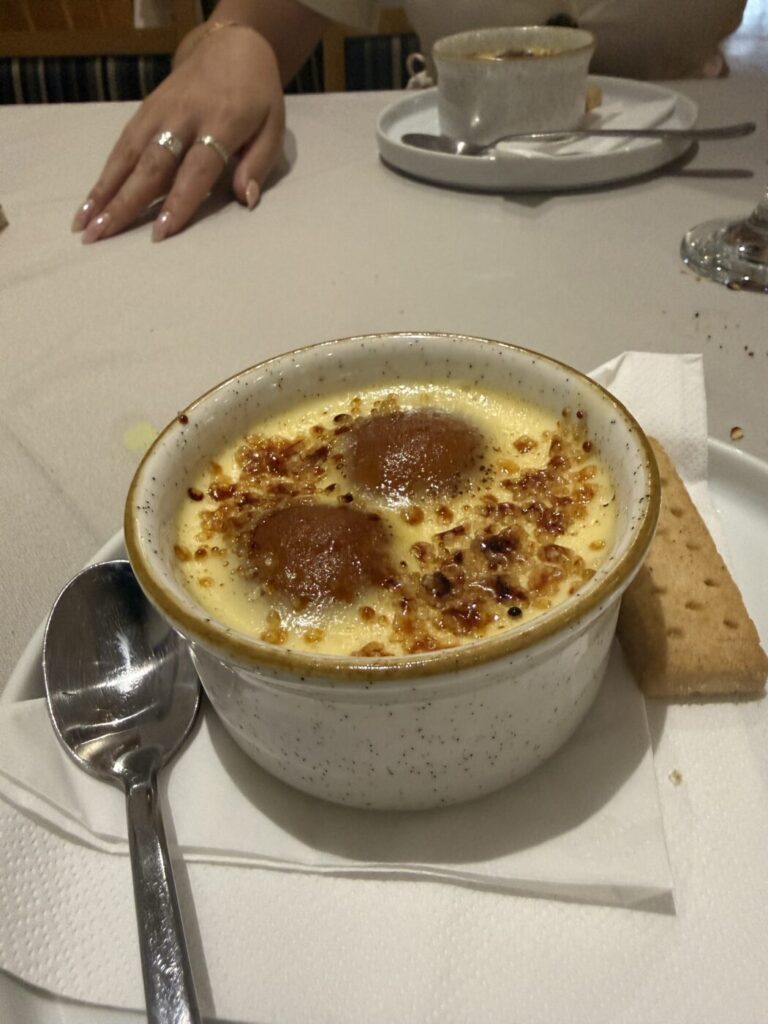
The dessert of crème brûlée gulab jamun is way too sweet but then it was always going to be, the wines were ace, the service was typically warm, and it was nice to be in a room with people I respect, such as Helen and Victoria. I’m not going to score it because it was an invite and I didn’t pay, I know and like Sudha, and there should be a line drawn somewhere when it comes to invites. That said, fifty quid for five courses and five drinks is a steal in the modern market, and the evening comes highly recommended. The food at Spice Fusion is always very good, with this a fun way of seeing a different side to a very talented chef. Perhaps the greatest compliment I can pay is by saying that whilst eating dinner I stopped considering this as fusion cuisine but rather just a very tasty meal.
Sign-up to the newsletter here
https://blog.us14.list-manage.com/subscribe?u=08c98db0e9d6eb9e5b54695a1&id=eda85ee6f4